
NFL
BREAKING: Iran’s New Oil Rule Could Shake the Global Dollar System


Iran is reportedly weighing a policy that would allow oil tankers through the Strait of Hormuz only if the cargo is traded in Chinese yuan. Since most oil transactions globally are priced in dollars, the move could signal a major geopolitical shift in energy markets.
According to reports, Tehran may allow a limited number of oil tankers to pass through the critical shipping lane only if the cargo is traded in China’s yuan instead of U.S. dollars. This would represent a significant departure from the traditional “petrodollar” system, where most global oil transactions are priced and settled in dollars.
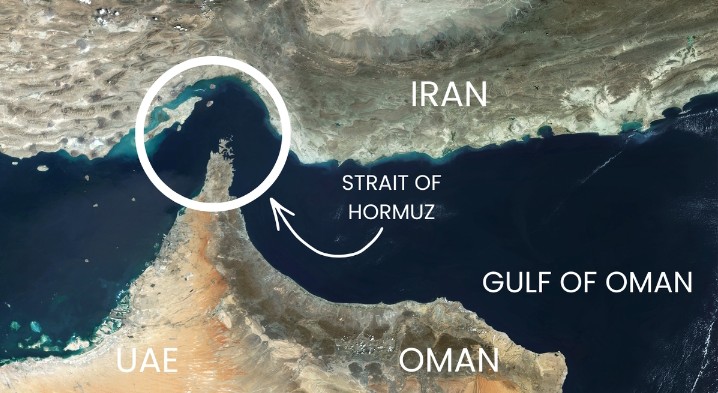
The Strait of Hormuz is one of the world’s most important energy chokepoints, with roughly 20% of global oil and gas shipments passing through it every day. Any change in the currency used for those transactions could ripple through global financial markets and energy trade networks.
Analysts say such a move could strengthen China’s push to internationalize the yuan while weakening the dollar’s grip on the global oil trade. If major buyers begin paying for crude in yuan, it could accelerate a gradual shift away from the dollar-based energy system that has dominated world markets for decades.
The proposal comes amid escalating geopolitical tensions and disruptions to shipping in the Gulf, which have already reduced commercial traffic through the waterway and pushed energy markets into a period of uncertainty.
World Oil
While it remains unclear whether the policy will be fully implemented, the mere possibility is already raising questions about the future of the global financial order and the long-standing link between oil and the U.S. dollar.
If this policy becomes reality, it could mark one of the biggest shifts in global energy trade in decades. Watch closely — the battle over the future of oil payments may have just begun.

Breaking News: NFL Writer discusses the Kansas City Chiefs’ most valuable trade asset…see more

Machine Gun Kelly has reacted after his ex, Megan Fox, posted a series of steamy photos that quickly caught the internet’s attention. Fans immediately began speculating about his response, with social media buzzing over the lingering connection between the two stars…..

Breaking News: IShowSpeed injured after LA Knight throws him mid livestream as WWE crossover turns unexpectedly real…see more

Breaking News: Fans panic as Darren Jason Watkins Jr popularly known as IShowSpeed says ‘I’m quitting YouTube’…see more

JUST IN: The US just doubled its war-risk insurance for ships moving through the Strait of Hormuz to a massive $40 billion….see more

DEVELOPING: Israeli officials just signaled they will continue military operations against Iran, completely regardless of President Trump’s push for peace talks….see more

JUST IN: Iran Foreign minister Abbas Araghchi says: “We are deeply grateful to Pakistan for its efforts and have never refused to go to Islamabad. What we care about are the terms of a conclusive and lasting END to the illegal war that is imposed on us.”….

JUST IN: A second Turkish-owned ship has passed through the strait of Hormuz….

JUST IN: Amid Iran War, Trump’s Defense Secretary Pete Hegseth Forces Out Army Chief Gen. Randy George and Other Senior Officers Due to Fears of Losing His Job….Read more

Mark Carney: Trump’s reckless bullying has just backfired spectacularly!! He underestimated the power of calm and strategic resolve!! This is a GAME CHANGER for politics and markets alike!! Raise your hand if you agree Carney just won this battle!…..

Breaking News: Elizabeth Taylor’s estate addresses Taylor Swift paying homage to late movie star in new music video…see more
