
NEWS
Trump Has Lost It – The Stunning Small Print in This Week’s Inflation Report That Shows Trump Has Lost the Plot on the U.S. Economy

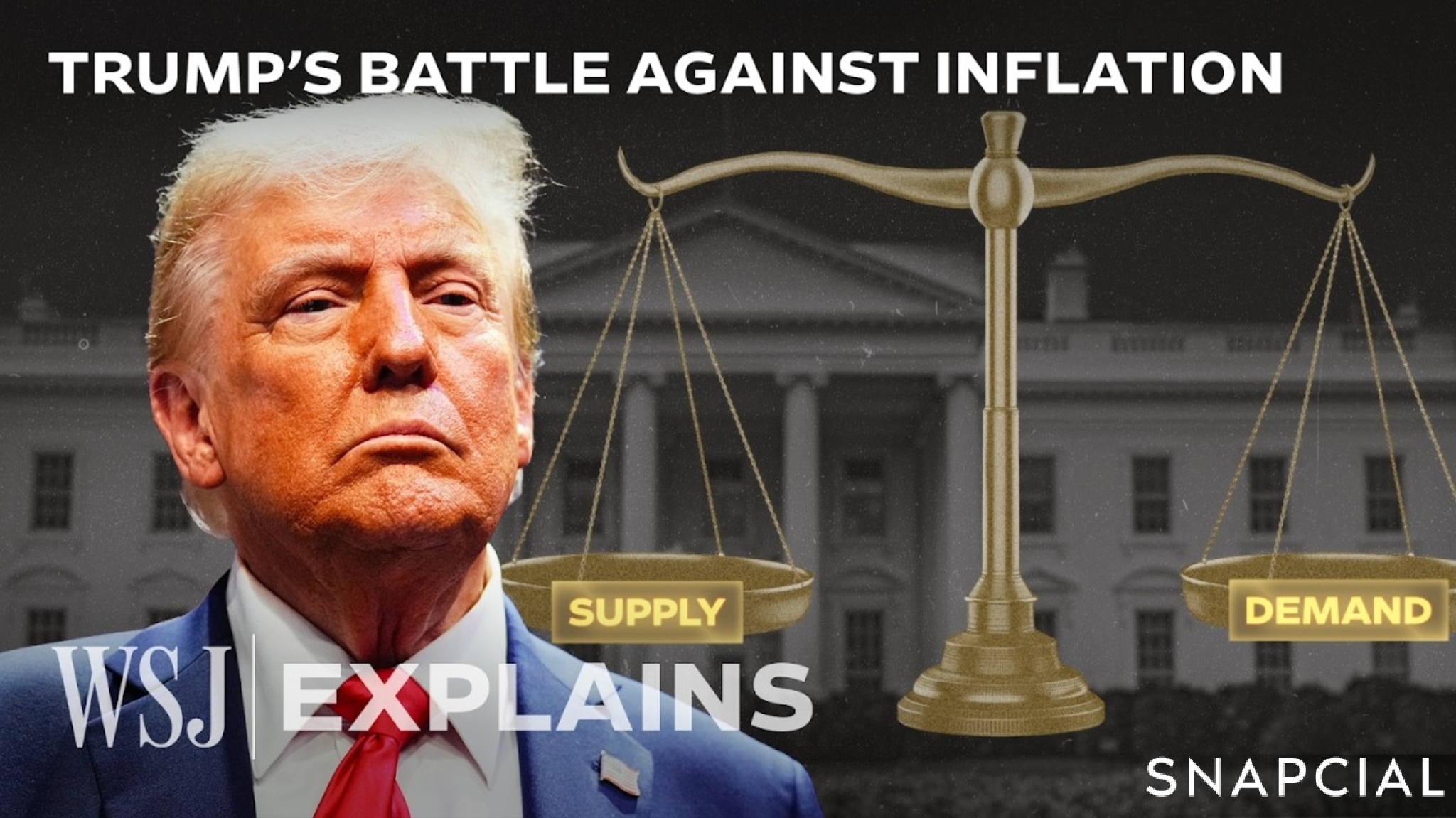
This week’s inflation report came with the usual headline numbers — modest changes, familiar talking points, and predictable political spin. But buried in the small print is a set of details that tell a far more uncomfortable story for Donald Trump’s economic narrative.
And taken together, they suggest one thing clearly: Trump’s grip on the reality of today’s U.S. economy is slipping.
Not the Inflation Story Trump Keeps Telling
Trump has repeatedly claimed that inflation is “out of control” because of current leadership, presenting himself as the only figure capable of restoring economic stability. But the finer details of the latest inflation report don’t support that simplistic storyline.
While certain prices remain stubborn, core inflation pressures have continued to cool, particularly in areas tied to supply chains and consumer goods — the very sectors Trump insists are “collapsing.”
In other words, the crisis he describes doesn’t fully match the data.
Where the Small Print Really Hurts the Narrative
The report’s deeper breakdown shows:
- Price increases slowing in key consumer categories
- Energy volatility easing compared to past spikes
- Wage growth stabilizing rather than fueling runaway inflation
- Inflation increasingly driven by housing and services, not broad economic mismanagement
These nuances matter — and they complicate Trump’s claim that the economy is in freefall.
Selective Economics, Loud Rhetoric
Trump’s approach has always relied on bold declarations rather than detailed analysis. But inflation isn’t a slogan-friendly issue. It’s shaped by global supply chains, housing shortages, interest rates, and post-pandemic adjustments — none of which fit neatly into campaign-style soundbites.
The inflation report’s small print exposes that gap. Trump talks as if the economy is spiraling, while the data shows a far more mixed, uneven — but not collapsing — picture.
The Housing Problem Trump Doesn’t Address
One of the clearest takeaways from the report is that housing costs remain the biggest inflation driver. Yet Trump’s rhetoric rarely addresses housing supply, zoning, or long-term affordability. Instead, he leans heavily on tariffs, trade wars, and blame — policies economists warn could actually push prices higher.
Ignoring the root causes doesn’t make them disappear.
Why This Matters Now
Economic credibility matters, especially as voters feel the pressure of higher rents, groceries, and insurance costs. Oversimplifying inflation may energize a base, but it doesn’t offer solutions — and the data increasingly exposes that disconnect.
The small print in this week’s report doesn’t suggest the economy is perfect. Far from it. But it does show progress in areas Trump claims are failing, and persistent challenges in areas his rhetoric barely touches.
Lost in His Own Talking Points
Trump built his political brand on the idea that he alone understands the economy. Yet the deeper you read into the numbers, the clearer it becomes that his economic messaging is stuck in the past, while the actual economy has moved on.
The inflation report didn’t shout this conclusion.
It whispered it — quietly, unmistakably — in the small print.

Just in: Dwayne Johnson Unspools New ‘Moana’ Footage, Talks Channeling Grandfather In Role Of Maui – CinemaCon….see more

News In: Usher and Chris Brown Announce Dates for Co-Headlining ‘R&B Tour’….see more

WATCH VIDEO: Jason Statham Is Unleashed in First Footage From Action Thriller ‘Beekeeper 2’

EXCLUSIVE: AnnaLynne McCord Is Engaged to Danny Cipriani! All the Details of the Christmas Proposal and 15-Carat Diamond Ring…..

JUST IN: Justin Bieber Had His Biggest Streaming Day of the Year After His Coachella Set….see more

Breaking News: Read the Athletic reporter Dianna Russini’s full resignation letter in wake of Mike Vrabel photo drama….see more

JUST IN: The Jackson Family Returns Home: Gary, Indiana Welcomes “Michael” Biopic Premiere After Berlin….see more

Breaking News: Bad Bunny’s business partner? Meet Miami power player David Grutman…see more

NEWS IN: Redrafting 2025 NFL Draft: Jaxson Dart jumps into top 5, but does Cam Ward stay No. 1?….Read More

Just in: NFL Reporter Dianna Russini Under Investigation After Being Seen Holding Hands with Patriots Coach Mike Vrabel…see more

Just In: Why this Broncos giant’s NFL dream could become reality, according to two converts…see more
